
What is a Digital Rectal Examination?
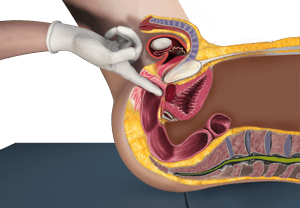
A digital rectal examination (DRE) is a physical examination in which your doctor inserts a gloved finger into your rectum and palpates to detect any structural abnormalities. It is usually performed to examine the prostate in men, and uterus and ovaries in women.
When is Digital Rectal Examination Performed?
A digital rectal examination may be performed during a routine check-up or to investigate symptoms such as pelvic or abdominal pain, rectal bleeding, lumps or problems with urination. It helps identify enlargement or tumors of the prostate, abnormalities of the ovaries and uterus, hemorrhoids, cancerous growths in the rectum, bladder abnormalities and is sometimes ordered to obtain a stool sample.
The Procedure of Digital Rectal Examination
A digital rectal examination is usually performed while lying on your left side with your knees drawn up towards your chest. Women may also be examined while lying on their backs with their feet in stirrups. Your doctor lubricates the examining finger of a gloved hand and gently introduces it into the rectum, palpating for abnormalities such as hardness, growths or areas of tenderness. The other hand may be used to gently press on the lower abdomen or pelvis.
During the procedure, you may experience slight discomfort, especially from areas that are already inflamed. Hemorrhoids may occasionally bleed, so please inform your doctor before the examination.
Abnormalities detected on a digital rectal examination usually require further examination or laboratory testing before a definite diagnosis is made.
If you wish to be advised on the most appropriate treatment, please give us a call at to schedule an appointment or request an appointment online.