What is the Transurethral Resection of the Prostate (TURP)?
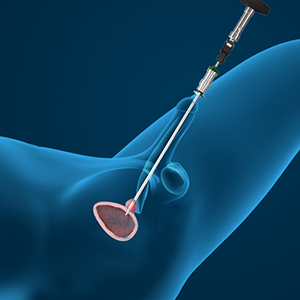
Transurethral resection of the prostate (TURP) is a procedure that involves the surgical removal of a section of an enlarged prostate gland, using high energy electric current. TURP uses a surgical instrument called a resectoscope (thin metal tube with a light source, camera, and cutting tool) to excise the prostate tissue. There are two types of TURP: monopolar TURP and bipolar TURP.
What is Monopolar TURP?
Monopolar TURP uses a cutting tool, heated with an electric current that flows in one direction through the resectoscope to remove the prostatic tissue. To avoid the travel of stray energy across the body, a fluid (free of electrolytes) is used to irrigate the bladder. However, long exposures with the fluid may damage the neighboring tissues and cause transurethral resection (TUR) syndrome, a condition characterized by fluid build-up in the blood.
What is Bipolar TURP?
In bipolar TURP, the electrical current is contained within the resectoscope and concentrated at the site of resection of the prostatic tissue. It returns back through the second limb of the resectoscope. This prevents energy from getting dispersed throughout the body. Normal saline (saltwater with electrolytes) is used to flush the excised region. This prevents the formation of TUR syndrome. Bipolar TURP is said to cause less bleeding at the site of the excision of prostatic tissue.
If you wish to be advised on the most appropriate treatment, please give us a call at to schedule an appointment or request an appointment online.