
What is Prostatitis?
The prostate gland lies below the bladder and around the urethra (the tube carrying urine out of the body) and helps in making semen. Inflammation of the prostate gland is known as prostatitis. The enlarged prostate gland presses against the urethra, causing infection, pain and urinary problems. When symptoms last for a long time, the condition is called chronic prostatitis. Chronic prostatitis is a common condition that affects men between 30 to 50 years of age. It is of two main types:
- Chronic bacterial prostatitis
- Chronic non-bacterial inflammatory prostatitis/chronic pelvic pain syndrome(CPPS)
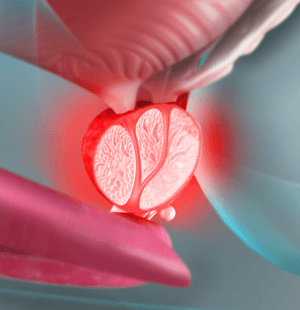
Causes of Chronic Prostatitis
The cause depends on the type of chronic prostatitis.
- Chronic bacterial prostatitis: Caused by a persistent bacterial infection
- CPPS: The exact cause is not clear. Possible causes may include problems with the nerves that supply the prostate, an autoimmune condition of the prostate gland or infection by an unidentified germ. In many cases of prostatitis, however, the cause is never identified.
Symptoms of Chronic Prostatitis
Common symptoms include pain and discomfort around the genitals, anus and/or lower back, pain while passing stool or urinating, and frequent urination or urinary urgency. Chronic bacterial prostatitis is associated with recurring urinary infections while chronic prostatitis/chronic pelvic pain syndrome is characterized by pain or discomfort at the base of the penis, and symptoms that last for more than three months. Sexual problems of CPPS may include difficulty achieving an erection, and pain during and after ejaculation.
Diagnosis of Chronic Prostatitis
The diagnosis of chronic prostatitis is made by your doctor with a thorough physical examination of your prostate gland by inserting a gloved finger into the anus. To rule out other causes of chronic prostatitis, your doctor may order tests that may include:
- Ultrasound scan of your kidneys
- Blood test
- Urine sample examination to detect infections
- Swab or urine test to identify sexually transmitted infection
- Prostate secretion examination. In some cases, the doctor may take a series of samples before, during and after massaging your prostate with a lubricated, gloved finger
Most patients with chronic prostatitis are effectively treated with the following measures:
- Antibiotics to treat the infection
- Pain-relieving medications and muscle relaxants to help cope with the persistent pain
- Prostate massage and more frequent ejaculations
- Quercetin - a plant-derived bioflavonoid
If you wish to be advised on the most appropriate treatment, please give us a call at to schedule an appointment or request an appointment online.