What is Renal Disease?
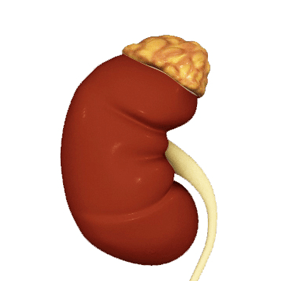
Renal disease, commonly referred to as kidney disease, includes a range of conditions that affect the kidneys’ ability to function properly. The kidneys are vital organs responsible for filtering waste products and excess fluids from the blood, maintaining electrolyte balance, regulating blood pressure, and supporting red blood cell production.
When the kidneys become damaged, waste and fluid can build up in the body, leading to a variety of health complications. Renal disease may develop gradually over time, known as chronic kidney disease (CKD), or occur suddenly due to illness or injury, known as acute kidney injury (AKI). Early diagnosis and treatment are important to help slow progression and preserve kidney function.
What are the Causes and Risk Factors for Renal Disease?
Several medical conditions and lifestyle factors can contribute to the development of renal disease. Common causes include:
- Diabetes
- High blood pressure (hypertension)
- Chronic kidney infections
- Glomerulonephritis (inflammation of the kidney filters)
- Polycystic kidney disease
- Kidney stones
- Urinary tract obstruction
- Autoimmune disorders such as lupus
Additional risk factors may include obesity, smoking, advancing age, family history of kidney disease, heart disease, and long-term use of certain medications.
What are the Symptoms of Renal Disease?
Early-stage kidney disease often causes few or no symptoms, making routine screening important for individuals at risk. As kidney function declines, symptoms may become more noticeable and can include:
- Fatigue and weakness
- Swelling of the hands, feet, ankles, or face
- Changes in urination frequency or color
- Foamy urine
- Shortness of breath
- Nausea or vomiting
- Poor appetite
- Muscle cramps
- Persistent itching
- Difficulty concentrating
- High blood pressure
Because many symptoms overlap with other conditions, medical evaluation is important for accurate diagnosis.
How is Renal Disease Diagnosed?
Diagnosis typically involves a comprehensive evaluation that may include:
- Medical history review
- Physical examination
- Blood tests to evaluate kidney function
- Urine testing to identify protein or blood in the urine
- Imaging studies such as ultrasound or CT scans
- Kidney biopsy in selected cases
These tests help determine the severity of kidney disease and guide treatment planning.
What are the Treatment Options for Renal Disease?
Treatment depends on the underlying cause, severity, and stage of kidney disease.
Lifestyle and Dietary Modifications
Lifestyle changes play a major role in managing kidney disease. Patients may be advised to reduce sodium intake, limit certain minerals such as potassium and phosphorus, maintain a healthy weight, stop smoking, and control blood sugar levels.
Medications
Medications may be prescribed to control blood pressure, manage diabetes, reduce swelling, correct anemia, and help slow kidney damage progression.
Dialysis
When kidney function declines significantly, dialysis may be required to remove waste products and excess fluids from the blood.
Kidney Transplantation
For advanced or end-stage kidney disease, kidney transplantation may be considered to restore kidney function and improve quality of life.
Why is Early Treatment of Renal Disease Important?
Early diagnosis and proactive management can help slow disease progression, reduce complications, and improve long-term kidney health. Regular monitoring and individualized treatment plans are essential for maintaining kidney function and overall wellness.
If you wish to be advised on the most appropriate treatment, please give us a call at to schedule an appointment or request an appointment online.