
What is Urethral Cancer?
Urine stored in the bladder passes outside the body through a tube called the urethra. It is a short tube that passes through the vagina in women, but is longer in men, running through the penis. Urethral cancer is a rare form of cancer that affects the cells and glands lining the urethra. It is more common in women over the age of 60.
Repeated inflammation or infection of the urethra may cause these cells to turn cancerous and multiply. Those with a previous history of genitourinary tract diseases, such as bladder cancer, urethral stricture disease, sexually transmitted diseases, or repeated urinary tract infections(UTI), have a higher risk of developing urethral cancer. The human papillomavirus (HPV) has also been associated with the condition.
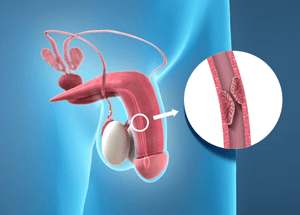
Symptoms of Urethral Cancer
Early stages of cancer may not show any signs or symptoms. However, as cancer progresses, you may feel a lump in the area (penis or groin) or have blood in the urine, difficulty or frequent urination, incontinence or discharge from the urethra.
It is necessary to visit your doctor if you have the above symptoms as they are common to many urological conditions. Your doctor will review your symptoms and medical history and perform a thorough physical examination. A cystoscope (a lighted tube) may be used to view the urethra for abnormalities. A biopsy may be performed to obtain suspicious tissue for examination under a microscope. If cancer is discovered, other tests(CT, MRI and bone scans, and chest X-ray) are conducted to determine how far the tumor has invaded the surrounding tissues or whether it has metastasized (spread) to other parts of the body.
Treatment for Urethral Cancer
Treatment depends on the type of cell, location of the tumor and extent of metastasis.Superficial cancers may be treated by electrocautery(a source of electric current is inserted into the urethra to kill the cancer cells). Your doctor may advise surgery to treat tumors with significant invasion of the surrounding tissues. This may involve the removal of a part of the entire penis, prostate and bladder in men, and a part of the vagina and bladder in women. An alternate means for draining and passing urine may need to be created. Affected lymph nodes are also removed. Chemotherapy (using cancer-killing drugs) and radiation therapy (using high-intensity radiations) may also be suggested either alone or with surgery to treat advanced urethral cancer.
If you wish to be advised on the most appropriate treatment, please give us a call at to schedule an appointment or request an appointment online.