What is Urinary Retention?
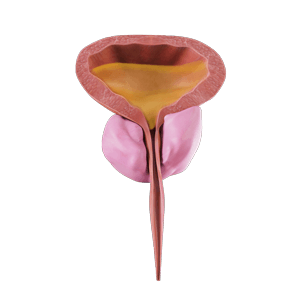
Urinary retention is a condition characterized by difficulty in completely emptyingurine from the bladder. This condition is usually related to other health problems and is most commonly seen in men above the age of 50. The urinary bladder is a hollow, elastic, and muscular organ that collects and stores urine from the kidneys before disposal through urination.
Types of Urinary Retention
Urinary retention falls under 2 types:
- Acute urinary retention:
This type develops suddenly and can be life-threatening, as you will not be able to pass urine at all. This condition may require emergency medical care.
- Chronic urinary retention:
In this condition, you can urinate but cannot empty the bladder fully. The symptoms gradually develop and worsen over time.
Causes of Urinary Retention
Some of the common causes of urinary retention include:
- Blockage in the urethra
- Weak bladder muscles
- Enlarged prostate
- Constipation
- Certain medications
- Urethral infection
- Nerve damage
- Pelvic floor injury
- Stroke
- Post-surgical issues
- Side-effects of anesthesia
- Vaginal childbirth
- Cancer
- Bladder stones
- Cystocele
Symptoms of Urinary Retention
Symptoms of urinary retention may vary based on the type of the condition. They include:
- Pain in the lower abdomen
- Difficulty urinating
- Stress incontinence (leakage of urine with coughing, sneezing, or strenuous activity)
- Discomfort
- Bloating and constipation
- Frequent urination
- Weak urine stream
- Straining while urination
- Nocturia
Diagnosis of Urinary Retention
Your doctor will review your medical history and symptoms and perform a physical examination that includes percussing (tapping) on the lower belly. The following diagnostic tests may be recommended:
- Urinalysis: Urine samples will be collected and examined for the presence of blood, infection, or other abnormalities.
- Post-void residual urine measurement: In this test, an ultrasound scan is used to measure the level of urine in the bladder after urination.
- Cystoscopy: A long, thin instrument with a tiny lens and light source is inserted into the urethra and bladder to detect any abnormality.
- Computed Tomography (CT) scan: This scan uses multiple x-rays to produce detailed cross-sectional images of the pelvic and groin regions.
- Urodynamic testing: This includes a variety of tests that determine the functioning capacity of the bladder and measures the flow of urine.
- Electromyography: This test involves the use of small electrodes inserted into the muscles to record electrical activity.
Treatment for Urinary Retention
Treatments for urinary retention may vary based on the cause and severity of the condition. The various treatment options include:
- Medications: Your doctor will prescribe medications that help to treat related constipation and prostate enlargement.
- Catheterization: A small, flexible, rubber tube is inserted into the bladder at regular intervals and the urine is drained out completely into a bag.
- Urethral dilation: A catheter with a tiny inflatable balloon at its end is inserted into the urethra to help widen any narrowing or stricture. This increases the flow of urine.
- Urethral stenting: This involves the insertion of a stent into the blocked urethral stricture, thereby widening the passage to increase urine flow.
If medications and other treatment methods do not relieve the symptoms, the following surgical procedures may be recommended:
- Prostate surgery: This can involveremoval of the entire prostate gland, or just the part that is impeding the flow of urine.
- Cystocele or rectocele repair: Usually performed in women to lift the fallen bladder or rectum to its normal position.
- Internal Urethrotomy: A thin narrow tube called a cystoscope is inserted into the urethra along with a special tool that removes the scarred tissue to widen the stricture.
Prevention of Urinary Retention
Preventive measures for urinary retention include:
- Maintaining a regular bathroom schedule
- Takingmedications as prescribed
- Following a healthy diet
- Performing pelvic floor exercises
- Keeping hydrated
If you wish to be advised on the most appropriate treatment, please give us a call at to schedule an appointment or request an appointment online.