What is Uroflowmetry?
Uroflowmetry is a simple, non-invasive diagnostic test used to measure how well urine flows from the bladder during urination. It helps your urologist evaluate the function of the lower urinary tract by measuring the speed, volume, and pattern of urine flow. The test can identify problems with bladder emptying, urinary obstruction, or bladder muscle function.
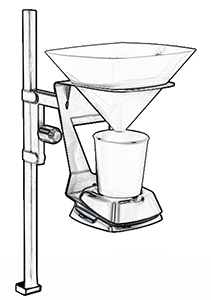
During the test, you urinate into a specialized device called a uroflowmeter. The device records important information, including the amount of urine passed, the maximum and average flow rates, and the time it takes to empty your bladder. These measurements help your doctor determine whether additional testing or treatment is needed.
Uroflowmetry is commonly performed as part of the evaluation for urinary symptoms in both men and women and is often combined with a post-void residual urine test to determine how much urine remains in the bladder after urination.
What are the Benefits of Uroflowmetry?
Uroflowmetry offers valuable information about urinary function while providing a quick and comfortable testing experience. Benefits include:
- Non-invasive and painless, with no needles or surgical instruments required.
- Provides accurate measurements of urine flow rate and bladder emptying.
- Helps identify urinary obstruction, bladder dysfunction, or weak bladder muscles.
- Assists in diagnosing conditions such as enlarged prostate (BPH), urethral stricture, and overactive bladder.
- Supports treatment planning and helps determine whether additional diagnostic tests are necessary.
- Monitors recovery and treatment effectiveness after urological procedures.
- Completed within a few minutes in an outpatient setting.
- Safe for patients of all ages.
When is Uroflowmetry Recommended?
Your urologist may recommend uroflowmetry if you are experiencing urinary symptoms or to monitor an existing urological condition. Common reasons include:
- Weak or slow urine stream.
- Difficulty starting urination.
- Frequent urination or urinary urgency.
- Incomplete bladder emptying.
- Urinary incontinence.
- Suspected enlarged prostate (BPH).
- Recurrent urinary tract infections (UTIs).
- Evaluation of bladder function before or after treatment.
- Follow-up after prostate, bladder, or urethral surgery.
What Does Preparation for Uroflowmetry Involve?
Preparation for uroflowmetry is minimal. Your healthcare provider may ask you to arrive with a comfortably full bladder, as the test is most accurate when there is enough urine to measure a normal flow pattern. You should avoid emptying your bladder immediately before your appointment unless instructed otherwise.
Inform your doctor about any medications you are taking, as certain medications may affect bladder function or urine flow. Follow any additional instructions provided by your healthcare team to help ensure accurate test results.
How is Uroflowmetry Performed?
Uroflowmetry is typically performed in a private examination room or restroom equipped with a specialized uroflowmeter. When you are ready to urinate, you will be asked to empty your bladder naturally into the collection device. It is important to urinate as you normally would without straining or trying to force the flow.
As you urinate, the uroflowmeter automatically records several measurements, including the total volume of urine passed, the maximum flow rate, the average flow rate, and the duration of urination. The information is displayed as a graph showing your urine flow pattern, which helps your urologist identify abnormalities.
After you finish urinating, your doctor may perform a bladder ultrasound to measure the amount of urine remaining in your bladder, known as the post-void residual volume. The entire appointment usually takes less than 30 minutes, with the uroflowmetry test itself lasting only a few minutes.
What to Expect During Recovery After Uroflowmetry?
There is no recovery period following uroflowmetry because the test is completely non-invasive. You can return to your normal daily activities, including work, exercise, and driving, immediately after the test.
Your urologist will review the results along with your symptoms and medical history. Depending on the findings, additional testing or treatment may be recommended to further evaluate or manage your condition.
What are the Risks and Complications of Uroflowmetry?
Uroflowmetry is considered an extremely safe diagnostic test with virtually no significant risks. Potential considerations include:
- No pain or discomfort beyond normal urination.
- Results may be less accurate if the bladder is not adequately full.
- Anxiety or nervousness during the test may temporarily affect urine flow.
- Some patients may need to repeat the test if an insufficient amount of urine is passed.
- Additional diagnostic tests may be recommended if abnormal results are detected.
Because uroflowmetry is non-invasive and does not involve radiation, anesthesia, or instrumentation of the urinary tract, complications are exceptionally rare, making it a safe and effective tool for evaluating urinary function.
If you wish to be advised on the most appropriate treatment, please give us a call at to schedule an appointment or request an appointment online.